What Hair Extensions Are Best for Fine Hair?
If you have naturally fine or thin hair, choosing the right hair extensions can feel confusing. You may want more fullness, shape and confidence, but you also do not want anything that feels too heavy, bulky or obvious in your hair.
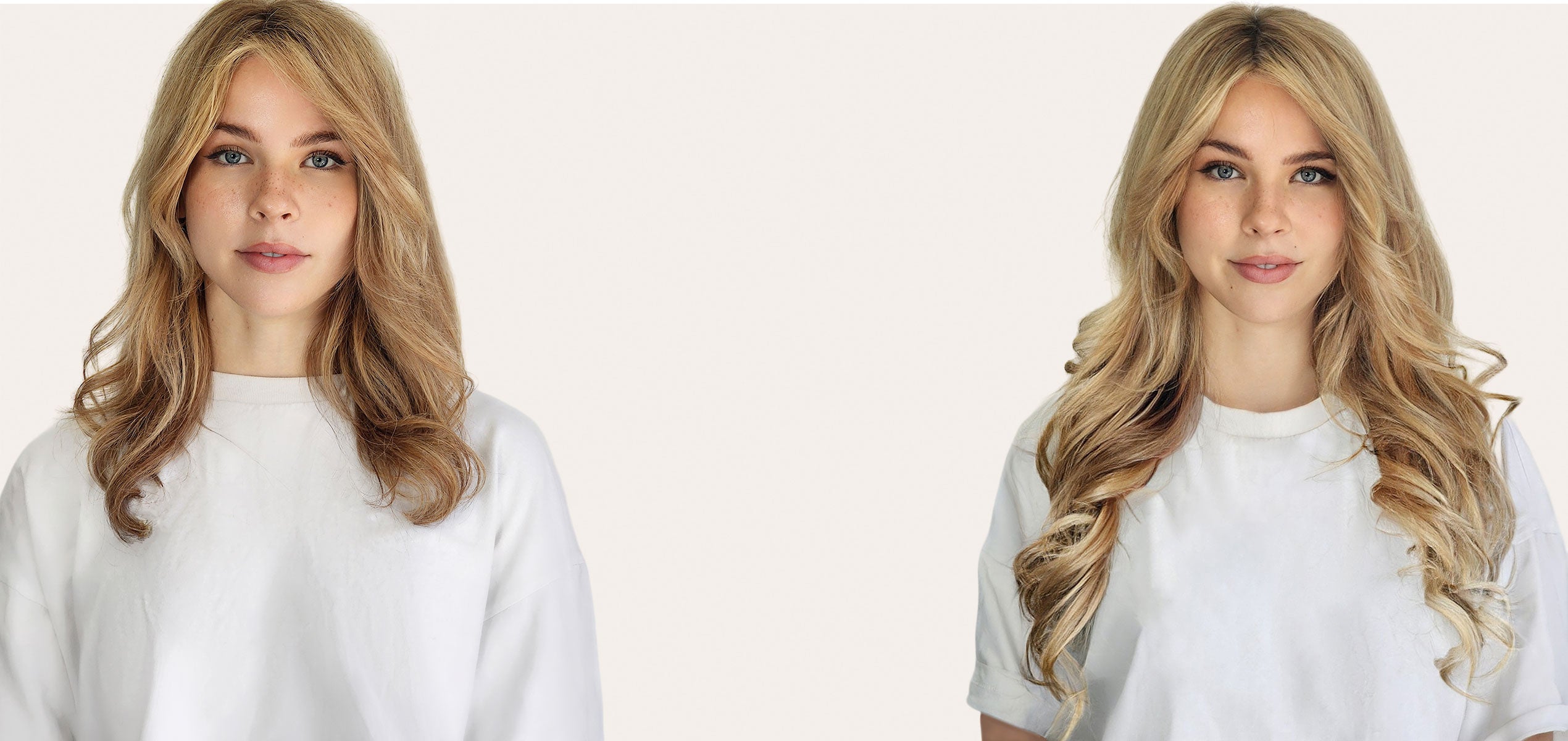
The best hair extensions for fine hair are usually the ones that add soft, natural-looking volume without putting too much pressure on your natural hair. The right choice will depend on your lifestyle, how often you want to wear them, whether you want a permanent or temporary option, and how much thickness you are hoping to add.
At PA Hair Extensions, we often help customers with fine hair choose between invisible tapes, regular tape extensions, clip-ins, halos and wefts. Each option can work beautifully, but they all suit slightly different needs.
What to Consider Before Choosing Hair Extensions for Fine Hair
Fine hair usually has less density, which means there is not as much natural hair to cover the extension bonds, clips, wefts or tapes. Because of this, the most important things to consider are:
How lightweight the extensions are
How discreet the attachment method is
Whether your natural hair can cover the extensions
How much volume you want to add
Whether you want everyday wear or occasional styling
Whether you are comfortable with professional installation
For fine hair, the goal is usually to create fullness without making the extensions look or feel obvious. Sometimes less hair placed correctly can look more natural than using too much hair.
Invisible Tape Extensions for Fine Hair
Invisible tape extensions are one of the most popular options for fine hair because they are designed to sit flatter and look more seamless near the scalp. They can be a great choice if you want everyday fullness without bulky bonds or clips.
The tape section is made to blend more naturally with the hair, which can help make the extensions less noticeable, especially if your hair is finer around the crown or sides.
Invisible tapes can be a good option if you want:
A flat, discreet finish
Everyday wear
Natural-looking thickness
A professional salon-installed method
Extensions that blend softly into fine hair
They are usually best installed by a qualified hairdresser, as placement is very important. With fine hair, your stylist may also decide whether to use a standard sandwich method or a lighter application method depending on your hair density.
Regular Tape Extensions for Fine Hair
Regular tape extensions can also work well for fine hair, especially if you are wanting more fullness and length. They are applied by sandwiching a thin section of natural hair between two tape pieces.
Tape extensions are popular because they sit fairly flat, are comfortable when installed correctly, and can be reused with new tape tabs during a reinstall.
They can suit customers who want:
Semi-permanent extensions
A smooth and natural blend
A method that can be moved up and reused
For very fine hair, your hairdresser may recommend using fewer sandwiches or placing them carefully so they are not visible. The main thing is making sure the extensions are not too heavy for the amount of natural hair supporting them.
Clip-In Extensions for Fine Hair
Clip-in extensions are a great option if you only want extra volume sometimes, such as for events, photos, nights out or special occasions. They are not permanent, so you can put them in and take them out whenever you like.
For fine hair, clip-ins can be helpful because you are not committing to wearing extensions every day. However, because they use clips, they do need enough natural hair to cover the wefts and hold the clips securely.
Clip-ins can be a good choice if you want:
Temporary volume
No salon installation
Easy removal
Extra fullness for styling
A flexible option you can wear only when needed
If your hair is very fine, you may prefer a lighter set rather than a very thick set, as too much hair can feel heavy or harder to hide. Placement is also important. Teasing the roots slightly or using texture spray can help the clips grip better.
Halo Extensions for Fine Hair
Halo extensions are another temporary option. Instead of clips, they sit around the head with a clear wire, while your natural hair covers the top section.
For some fine-haired customers, halos can be a good choice because they do not rely on multiple clips or permanent bonds. They can add soft thickness and length without being installed by a hairdresser.
Halos may suit you if you want:
A temporary extension method
No glue, tape or beads
Something easy to remove
Fullness for events or occasional wear
Less tension than some other methods
The main thing with halos is making sure your natural hair can cover the wire and blend over the top. They can work well when styled correctly, especially if you want volume through the ends rather than fullness right at the roots.
Weft Extensions for Fine Hair
Weft extensions are usually installed by a hairdresser and are commonly sewn into the hair using beads or a similar professional method. They can add beautiful fullness, especially for customers wanting a more salon-style transformation.
For fine hair, wefts can still be an option, but the installation needs to be done carefully. Your hairdresser will need to consider how much natural hair you have, where the weft should sit, and how much weight your hair can comfortably support.
Wefts can suit customers who want:
A fuller result
Professional installation
Longer-lasting wear
Volume through the back and sides
A more permanent salon method
If you have very fine or low-density hair, your hairdresser may recommend a lighter amount of hair or fewer rows to keep the result comfortable and natural.
How Much Hair Do You Need for Fine Hair?
This depends on whether you want a small amount of fullness or a more noticeable transformation.
If you are only wanting to add a little thickness, you may not need a large amount of hair. Starting with a smaller amount can be a good option because you can always add more later if you feel you need extra volume.
For fine hair, the best result is not always the thickest set. It is the set that blends naturally, feels comfortable and suits your hair density.
How to Avoid Damage with Fine Hair Extensions
Hair extensions should always be applied and maintained correctly, especially on fine hair. Fine hair can be more delicate, so aftercare matters.
To help protect your natural hair:
Have permanent methods installed by a qualified hairdresser
Avoid applying too much weight to small sections of hair
Brush gently and support the root area when brushing
Sleep with your hair in a loose plait or low ponytail
Avoid sleeping with wet extensions
Use suitable hair extension products
Avoid heavy oils near tapes or bonds
Attend move-up appointments on time
If extensions are left too long between appointments, are brushed roughly, or are installed with too much tension, this can put unnecessary stress on the natural hair.
Colour Matching Matters
For fine hair, colour matching is especially important because the extensions need to blend softly with your natural hair. If the shade is too light, too dark, too warm or too solid, it may stand out more.
When choosing a colour online, try to take photos of your hair in natural lighting, outside but out of direct sunlight. This gives the most accurate view of your colour.
If your hair has highlights, lowlights or a mixed colour effect, a blended shade may look more natural than a solid colour. At PA Hair Extensions, we can help with colour matching if you send through clear photos of your hair.
So, What Hair Extensions Are Best for Fine Hair?
There is no one perfect answer for everyone. The best hair extensions for fine hair depend on your hair, your lifestyle and the result you want.
If you want everyday fullness with a discreet finish, invisible tapes or tape extensions may be a great option.
If you want something temporary for events or occasional styling, clip-ins or a halo may be more suitable.
If you want a fuller salon-installed result, wefts may be an option depending on your natural hair density and your hairdresser’s advice.
The most important thing is choosing extensions that feel comfortable, blend naturally and do not place too much weight on your natural hair.
If you have fine hair, it is always better to focus on a natural, lightweight result rather than simply choosing the thickest option available. The right extensions should make your hair look fuller while still feeling like your own.
PA Hair Extensions offers a range of options including invisible tapes, regular tapes, clip-ins, halos and wefts, so you can choose the method that best suits your hair and lifestyle.
If you are unsure which option or colour is right for you, you can send through a clear photo of your hair in natural lighting and our team can help guide you.